When a Sub-Zero develops a real problem, owners face a number that would be absurd for any other fridge — and then a second number, the replacement cost, that resets the whole conversation. This article is the honest framework we walk homeowners through in Edmonds and Shoreline kitchens, where these units anchor remodels that cost more than cars.
The asset you actually own
A Sub-Zero is engineered around a 20+ year service life and — this is the part that matters — designed to be serviced for that entire span. Dual refrigeration systems isolate failures to one side. Panels come off the way a technician needs them to. And Sub-Zero keeps supplying parts for models long out of production, which is the opposite of the disposable-appliance economy. A 14-year-old 650 isn't an old fridge; it's a mid-life fridge.
What the big repairs really are
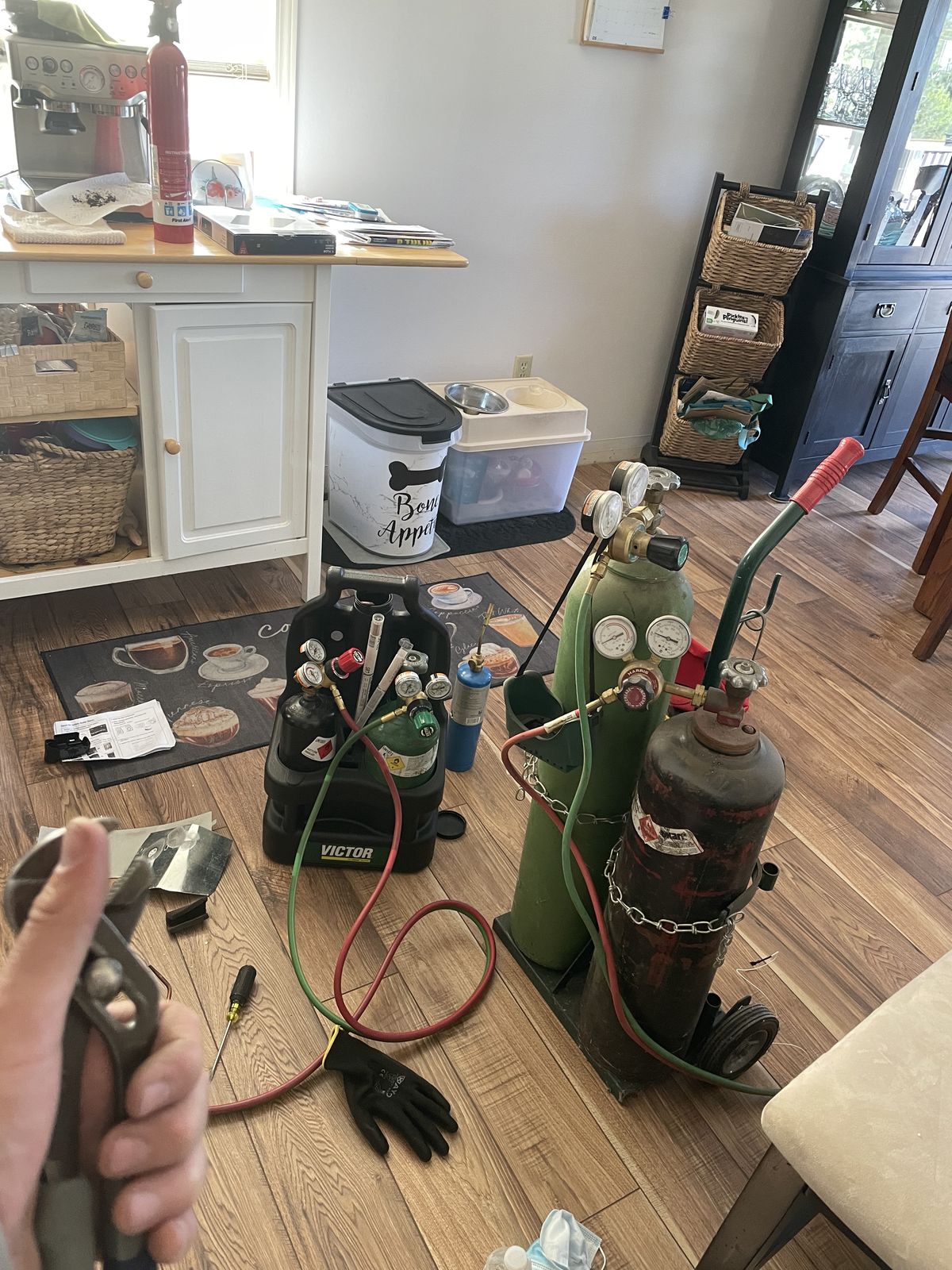
Sealed system work — a refrigerant leak, a failed compressor, a plugged drier — is the scariest phrase in refrigeration, and on a Sub-Zero it's routine surgery: recover the charge, braze in the new component, pull a deep vacuum, weigh in the recharge. Work for a trained technician, several hours, real money — and it typically buys another decade of service. Evaporators corroded by years of defrost cycles get replaced the same way. Below that tier live the ordinary mortals: evaporator and condenser fans, defrost heaters, door gaskets, ice maker modules, control boards — each a much smaller job than the sealed-system tier.
The math, in one paragraph
A comparable new built-in runs well into five figures before the carpentry, panel-matching and installation that integrated units demand — frequently a four-figure addition of its own, plus weeks of lead time. Against that, even the most expensive repair category on a structurally healthy unit (our sealed-system work starts at $850) is a clear win, and the routine repairs aren't a conversation at all. This is why the used market prices working Sub-Zeros like appliances with a pension: everyone knows they get fixed, not replaced.
The honest exceptions
We'll counsel against repair in two situations: a cabinet with failed insulation (sweating walls, spongy foam — rare, but terminal, since the box itself is the one unrepairable part), and a unit facing its second major sealed-system event within a few years, which suggests a systemic leak hiding somewhere no repair can economically chase. Everything else — including units that have sat dead for a year — deserves a diagnosis before a demolition quote.
Protecting the investment
One habit does more than everything else combined: clean the condenser every 3–6 months (behind the top grille — vacuum and soft brush). A choked condenser is the upstream cause of half the premature compressor stress we see. Add a yearly gasket check and you've addressed the two failure accelerants that are actually in an owner's control.
Our part
Diagnosis with real instruments, a written quote at each decision tier, and the straight answer if your unit is one of the rare exceptions. Sub-Zeros reward that approach — it's what they were built for.