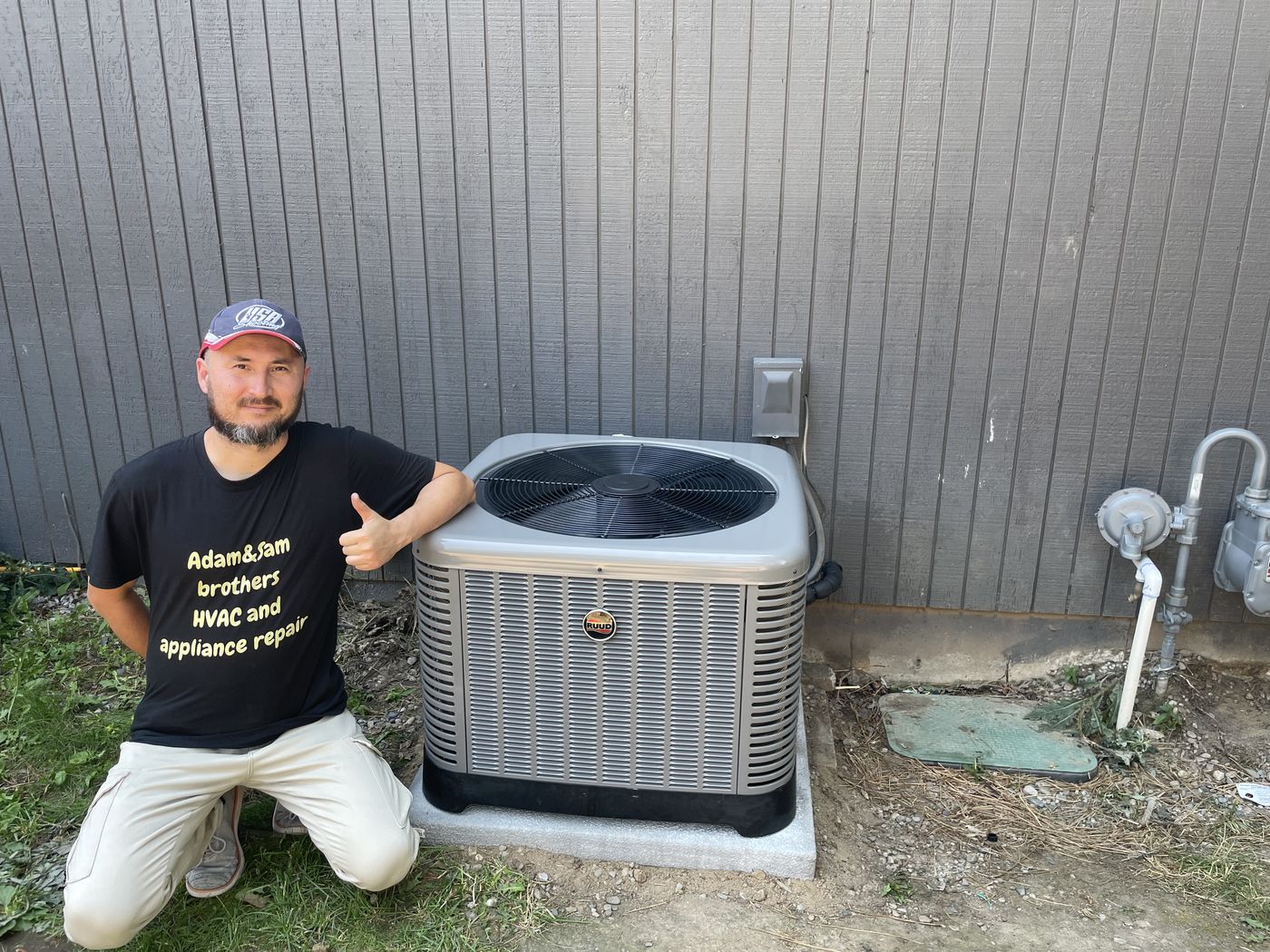
"AC tune-up" spans everything from a real preventive service to a fifteen-minute hose-down with an upsell attached — which is why homeowners are rightly skeptical. Here's what the version with actual engineering value includes, so you can judge any tune-up (ours included) against a real checklist.
The measurements that matter
A real tune-up is mostly measuring: capacitor values tested against their rating (the #1 summer failure, catchable months early), compressor and fan motor amp draws compared to nameplate (rising draw is a motor announcing retirement), temperature split across the indoor coil, and refrigerant charge verified by pressures and temperatures — not by peeking at a sight glass or, worse, "adding a little just in case." A tune-up that adds refrigerant to a sealed system that hasn't leaked is either finding a leak (tell me where) or padding an invoice.
The cleaning that matters
The outdoor condenser coil, properly rinsed from the inside out after our June cottonwood season, restores real capacity — a matted coil can cost a double-digit percentage of cooling. The condensate drain gets flushed (the clog that floods a furnace closet in August is born in spring), the indoor filter is checked, and the coil face inspected. Contactor points get a look for pitting; a welded contactor is how ACs run all night with the thermostat off.
What's theater
Vague "system rejuvenation," refrigerant top-offs without a named leak, hard-start kits installed on healthy compressors as a matter of routine, and any tune-up that ends in a surprise urgent quote without measurements on paper. A tune-up's product is numbers — this year's readings against last year's — and if you're not handed numbers, you bought a rinse.
Timing and honest value
Once a year, ideally spring before the first heat wave — the failures a tune-up prevents (capacitors, clogged drains, choked coils) are exactly the ones that strike during the July week when every HVAC company's phone melts. Around the North Seattle metro that week is when a spring appointment pays for itself in not-sweating. Tune-ups from $149, checklist in hand, numbers on paper — and if we find something failing early, you get a quote to approve, never a fait accompli.