View glass, tight lots and the waterfront air
View homes in Edmonds raise a sizing problem that floor area alone does not answer. A 300-square-foot living room with fifteen feet of west glass can need more cooling than a much larger room on the shaded side. We look at window area, shading, ceiling height and the angle of the afternoon sun, and we size the head for July rather than for the average day. Where a daylight basement sits below the view floor, the line can often drop straight down the wall to a pad tucked under the deck. Heads are mounted so the airflow does not blow straight at a sofa, and outdoor units are placed where they do not end up in the middle of the view from the deck.
Lots in the Bowl and along the older hillside streets are narrow, so the outdoor unit may sit a few feet from a neighbor's bedroom. Inverter units run quietly, yet a bracket on a thin wall can carry vibration into the house, so we choose ground pads or isolation mounts where we can. Condo buildings downtown and the hilltop complexes from 2007 and 2008 bring board approval, color rules for line-set covers and shared electrical rooms. We plan to those rules from the first visit and give the board a drawing it can approve without a second round.
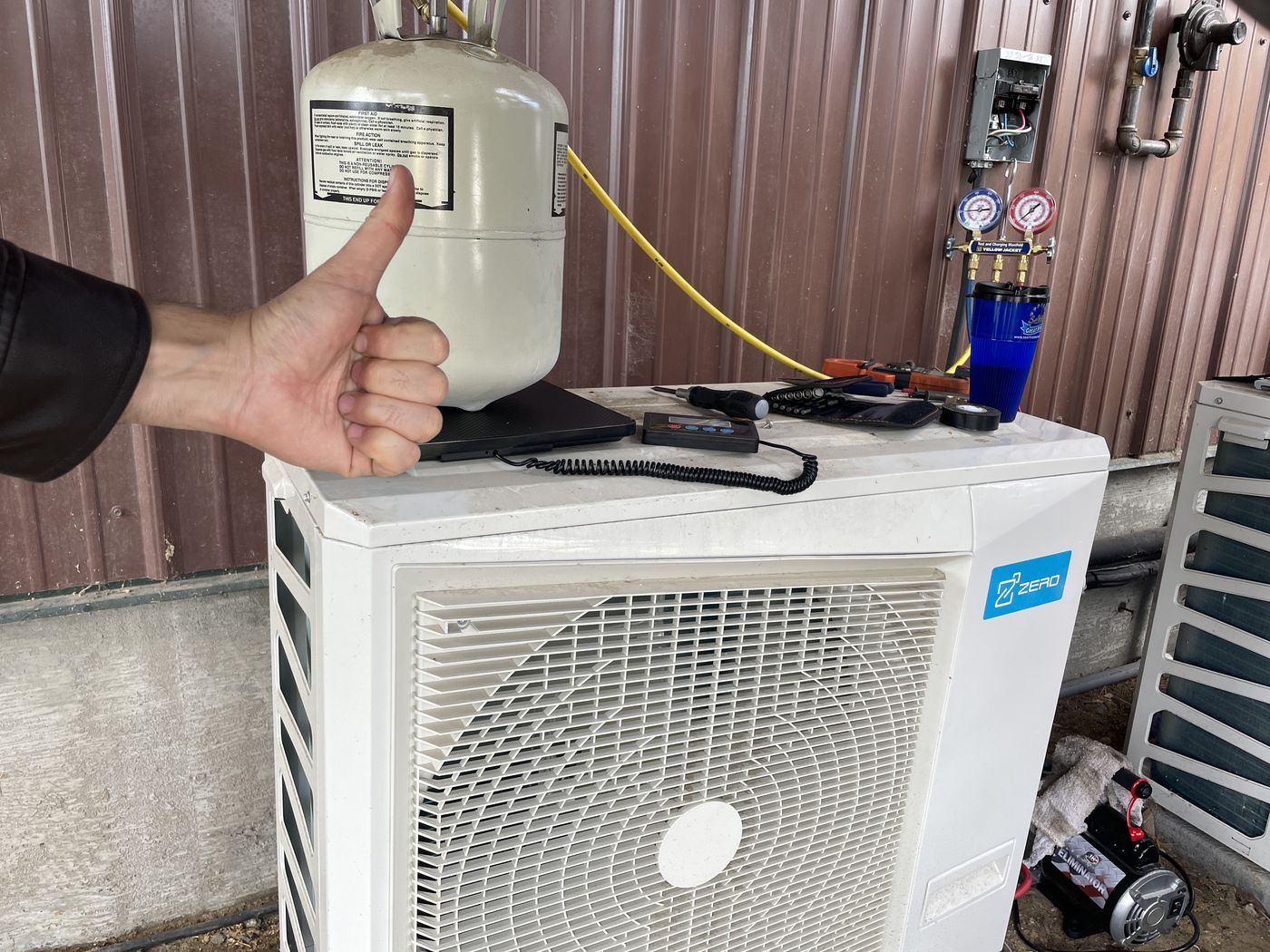
Close to the water, salt air shortens the life of an outdoor coil. Near the ferry terminal and the Edmonds Marsh we prefer sheltered spots, rinse coils on service calls and look closely at flare connections, which is where small leaks often start. For units near the water we use brackets and stands with corrosion-resistant hardware where we can, because rusted fasteners are what fails first on a seaside mount. Edmonds also sits in the convergence zone, so units go on stands above snow. Power here is Snohomish County PUD's, and whether any of its heat pump offers suit your house is something we look into before you commit.