Bluffs, planned streets and a busy flight path
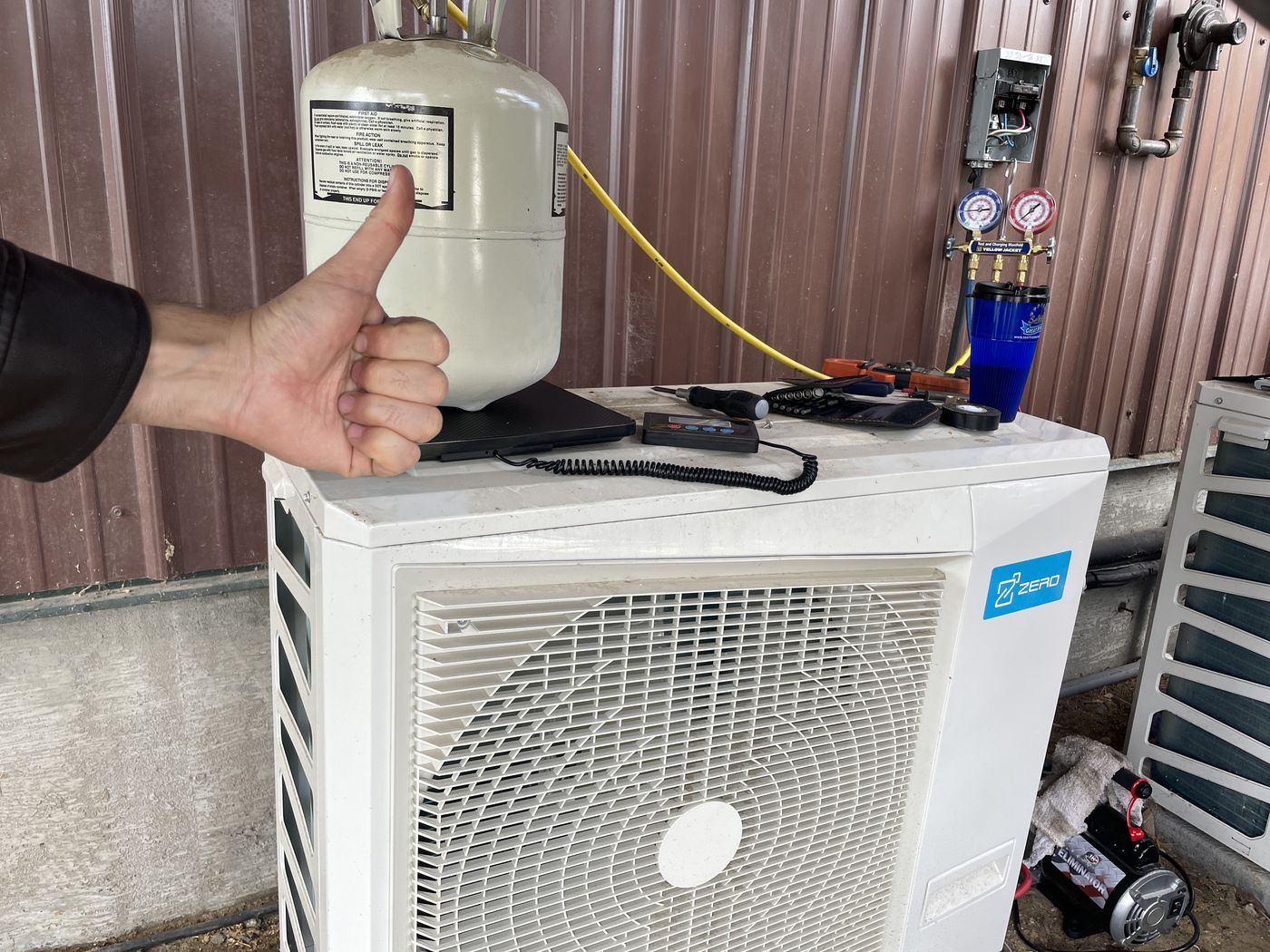
In Old Town and along the bluffs, the outdoor unit is often the hardest piece to place. Flat ground is scarce, decks hang over slopes and the view side of the house is the one nobody wants to clutter. Steep driveways and stairs down to the front door also shape install day, so we plan how the outdoor unit gets carried in. We often use a wall bracket on a side wall, with a line that drops straight from the head through the wall. Spray from the water reaches homes near the lighthouse and Chennault Beach, so we pick sheltered spots, rinse coils on service visits and check flare connections closely.
Harbour Pointe is more predictable, but it has its own rules. Many neighborhoods there have associations with design standards for exterior equipment, and townhome and condo buildings usually need board approval. You get a drawing for the board that shows where the outdoor unit sits, what the cover looks like and how the circuit reaches it. For an upstairs bedroom, we usually hang the head on an outside wall and bring the line down the siding in a painted cover. Because many neighbors have similar floor plans, a layout that worked next door is a useful starting point, though we still measure your rooms.
Noise and sleep matter here too. Homes near Paine Field and the SR 525 corridor already hear aircraft and traffic, and anyone who sleeps days after a shift wants a bedroom that stays cool and quiet in the afternoon. A properly sized inverter head runs at low speed for long periods, which is quieter than a window unit. Old Town also gets steady ferry traffic since the new terminal opened at the end of 2020, so we time visits there around the boat lines when we can. Picnic Point, with its 1960s and 1970s ramblers, often has baseboard heat, and there a mini-split can carry most of the house. Snohomish County PUD supplies power throughout, and part of every quote is a look at which PUD heat pump programs your home might qualify for.